Complex Coronary Interventions
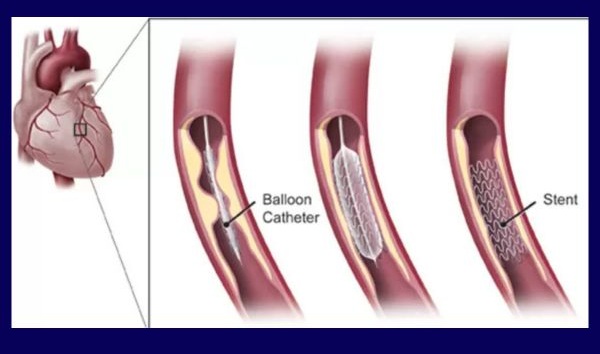
Complex coronary interventions are specialized procedures used to treat challenging blockages in the heart's arteries (coronary arteries) that are difficult to address with standard techniques. These interventions utilize advanced techniques and equipment to open narrowed or blocked arteries and improve blood flow to the heart muscle.
- Chronic Total Occlusions (CTOs): These are complete blockages of a coronary artery for an extended period, making them difficult to cross and reopen.
- Lesions in difficult locations (Bifurcation stenting): Blockages in curved or heavily calcified arteries, or those near branches of the artery (bifurcation lesions) can be challenging to treat.
- Complex plaques/lesions: The type and amount of plaque buildup within the artery can make it difficult to reopen the vessel.
- Complex plaques/lesions: The type and amount of plaque buildup within the artery can make it difficult to reopen the vessel.
- Patient-specific factors: Patient's age, overall health, and other medical conditions can also contribute to the complexity of the intervention.
Examples of techniques used in complex coronary interventions:
- Specialized catheters and guidewires: These tools allow doctors to navigate and cross complex blockages.
- Atherectomy: This procedure uses devices like rotational, orbital, or laser atherectomy to remove plaque from the artery.
- Shockwave intravascular lithotripsy (IVL): This procedure uses This technique uses sonic pressure to break up calcium deposits in the artery.
- Bifurcation techniques: These techniques are used to treat blockages located at the branch points of arteries.
- Chronic Total Occlusion (CTO) techniques:These include specialized guidewires, microcatheters, and other tools to cross and reopen completely blocked arteries.
Why are complex coronary interventions important?
- They offer an alternative to open-heart surgery for some patients with complex coronary artery disease.
- They can improve blood flow to the heart muscle, relieving symptoms like chest pain and shortness of breath.
- They can reduce the risk of heart attack and other complications associated with coronary artery disease.
- With advancements in technology and techniques, complex coronary interventions are becoming more successful and widely available.