T-TEER (Transcatheter Tricuspid Edge to Edge Repair)
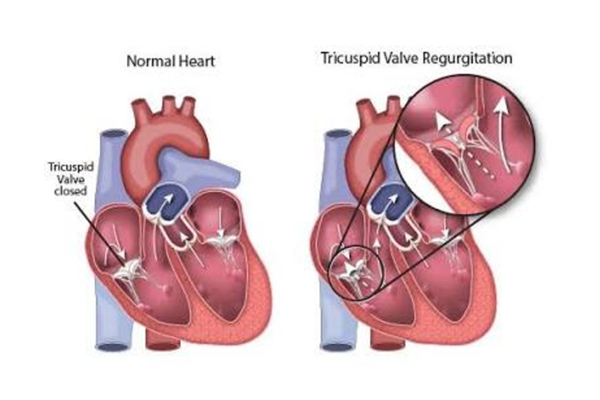
Understanding Tricuspid Regurgitation (TR):
Tricuspid Regurgitation (TR) is a condition where the tricuspid valve on the right side of the heart does not close tightly. This allows blood to flow backward into the right atrium instead of being pumped forward to the lungs for oxygenation. Over time, severe TR leads to systemic fluid congestion, liver and kidney strain, chronic fatigue, and right-sided heart failure.
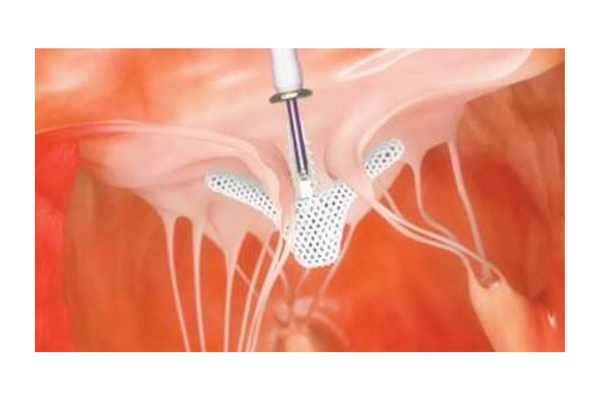
What is T-TEER?
T-TEER stands for Tricuspid Transcatheter Edge-to-Edge Repair. It is a minimally invasive, catheter-based procedure designed to treat severe tricuspid regurgitation without open-heart surgery. By clipping the malfunctioning valve leaflets together, T-TEER reduces backward blood leakage and restores proper forward circulation.
The T-TEER Procedure Steps
The procedure is performed in a specialized cardiac catheterization lab by a multidisciplinary structural heart team:
Vascular Access: Under general anesthesia, a small catheter is inserted through a vein in the groin (femoral vein) and guided up to the right atrium of the heart.
Imaging Guidance: Real-time 3D Transesophageal Echocardiography (TEE) and fluoroscopy (X-ray) guide the precise placement of the repair device.
Clip Deployment: The clip device is navigated across the tricuspid valve, grasping and bringing together the leaky valve leaflets.
Assessment: The team verifies a significant reduction in backward leakage while ensuring normal forward blood flow. Additional clips are placed if necessary.
Catheter Removal: Once optimal repair is achieved, the catheter is withdrawn, and the groin entry site is closed.
Key Benefits of T-TEER
Minimally Invasive: Avoids sternotomy (opening the chest) and heart-lung machine support.
Rapid Recovery: Shorter hospital stays—typically 1 to 2 days—compared to open-heart surgery.
Symptom Relief: Significantly reduces swelling (edema), fatigue, and shortness of breath.
Improved Quality of Life: Restores daily exercise tolerance and functional capacity.
Lower Surgical Risk: Safe alternative for high-risk surgical candidates.
Who is a Candidate for T-TEER?
Patients are evaluated by a multidisciplinary Heart Team to confirm suitability. Ideal candidates typically meet the following criteria:
Symptomatic Severe TR: Persistent symptoms despite optimal medical therapy (such as diuretics).
High Surgical Risk: Individuals advanced in age or with co-existing conditions (e.g., kidney disease, pulmonary hypertension, prior heart surgery) that make traditional open-heart surgery risky.
Favorable Valve Anatomy: Echocardiogram shows valve structure suitable for clip grasping.
Post-Procedure Recovery & Follow-Up Care
Hospital Stay: Patients are monitored in the hospital for 24–48 hours before discharge.
Immediate Recovery: Light walking within 24 hours; strenuous activity and heavy lifting should be avoided for 1 to 2 weeks.
Medication Management: Patients may receive short-term blood thinners (antiplatelet or anticoagulant medications) and adjustments to diuretic doses.
Routine Follow-Up: Scheduled cardiology appointments at 30 days, 6 months, and annually, including routine echocardiograms to monitor valve function and heart structure.