Transcatheter Tricuspid Valve Replacement (TTVR) Procedure
TRICUSPID REGURGITATION AND TTVR
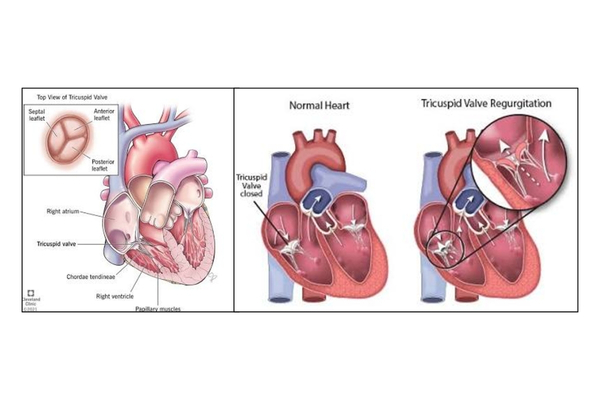
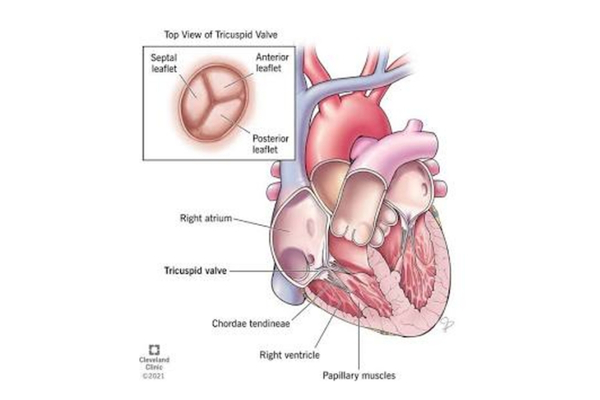
The tricuspid valve is an atrioventricular valve that acts as a one-way door between the heart's upper right chamber (right atrium) and lower right chamber (right ventricle). It consists of three tissue flaps, called leaflets, which are anchored by parachute-like cords (chordae tendineae) and muscles that pull them open and shut to keep blood moving forward into the lungs.
Tricuspid Regurgitation (TR)
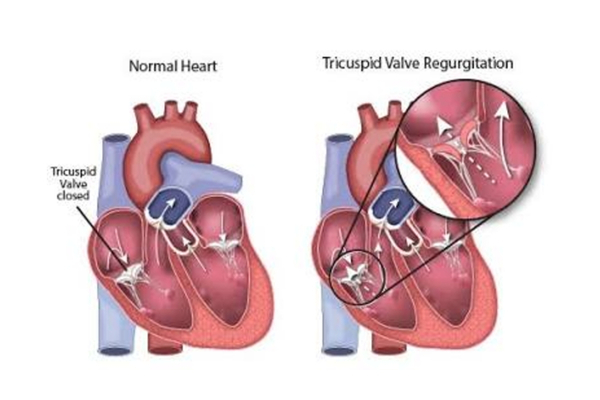
TR occurs when the leaflets of the tricuspid valve fail to close tightly, allowing blood to leak backward into the right atrium each time the right ventricle pumps. Over time, this backward flow creates pressure congestion that can lead to right-sided heart failure. This manifests as severe fatigue, heavy swelling in the legs and abdomen, and liver enlargement.
Transcatheter Tricuspid Valve Replacement (TTVR) Benefits:
Historically, treating severe TR meant relying heavily on diuretics or undergoing high-risk open-heart surgery. TTVR changes this by delivering an artificial valve—such as the EVOQUE system (Edwards Lifesciecnes) or the LuX Valve Plus System (Jenscare Scientific Co., Ltd) through a catheter inserted into the femoral vein in the groin, or the right internal jugular vein in the neck, thus bypassing the need to open the chest. While current data indicates TTVR primarily provides profound Quality of Life (QoL) benefits the day-to-day improvements are significant:
Rapid Symptom Relief: Drastic reduction in chronic fatigue, shortness of breath, and systemic fluid retention.
Restored Mobility: Improved ability to exercise and perform daily activities without immediate exhaustion.
High Efficacy: Clinical trials demonstrate that over 98% of patients experience a clinically meaningful reduction in valve leakage within 30 days.
Procedural Safety: Substantially shorter recovery times and lower immediate procedural risk compared to open-heart surgery.
Shorter Hospital Stay: Most patients are discharged within 1 to 3 days after the procedure, depending on their overall health and initial recovery.
The TTVR Procedure Overview:
Vascular Access: An interventional cardiologist introduces a thin, flexible catheter into a major blood vessel—most commonly the femoral vein in the groin or the right internal jugular vein in the neck.
Navigation: Guided by live X-ray (fluoroscopy) and echocardiography (ultrasound), the catheter is advanced through the IVC/SVC directly into the right side of the heart.
Valve Deployment: An artificial bioprosthetic valve (mounted on a expandable frame) is guided inside the diseased native tricuspid valve. Once properly aligned, the replacement valve is expanded to take over the function of the damaged valve.
Verification & Removal: The medical team verifies proper anchoring and blood flow efficiency via imaging before securing the valve and withdrawing the delivery catheter.
Candidates for TTVR:
TTVR evaluation is handled by a multidisciplinary heart team. Ideal candidates meet strict criteria:
Severe, Symptomatic TR: The valve leakage remains severe and continues to cause debilitating symptoms despite optimal medical therapy.
High Surgical Risk: The patient is considered too frail, older, or at an elevated risk (expected mortality risk ≥15%) for traditional open-heart surgery.
Anatomical Suitability: Confirmed via transoesophageal echocardiogram (TEE) and CT scans to ensure the artificial valve can anchor correctly.
Medication Tolerance: The patient must be able to tolerate required blood thinners post-procedure.
Exclusions: Patients cannot have active heart infections (endocarditis) or untreatable allergies to the nickel/titanium frame.
Post Procedure:
Immediate Hospital Recovery (1–3 Days)
ICU/Step-Down Monitoring: You will spend the first night in an intensive care or step-down unit for continuous monitoring of heart rhythm, blood pressure, and catheter access sites.
Vitals & Lab Work: Regular blood tests, ECGs, and echocardiograms (ultrasounds of the heart) will be performed to verify that the new replacement valve is positioned and functioning properly.
First Few Weeks at Home
Rest & Mobility: You can expect to walk short distances soon after discharge, but heavy lifting (over 10 lbs), strenuous exercise, and driving are typically restricted for 1 to 2 weeks.
Medications: You will likely be prescribed blood thinners (anticoagulants or antiplatelet therapy) to prevent blood clots on the new valve, along with medications to manage blood pressure or fluid retention.
Symptom Improvement: As the body adjusts and tricuspid regurgitation is reduced, patients usually notice gradual relief from fatigue, shortness of breath, and leg swelling over the first month.
Long-Term Management
Cardiac Rehabilitation: Your cardiologist may recommend a structured cardiac rehab program to help safely rebuild strength and endurance.
Follow-Up Visits: Expect scheduled echocardiograms at 30 days, 6 months, and annually to check valve function.
When to Call Your Doctor Immediately: Contact your care team right away if you experience sudden chest pain, shortness of breath, swelling/bleeding at the access site, fever, or signs of heart rhythm irregularities (palpitations or dizziness).